Understanding Your Car's Secret Language: The OBD-II System
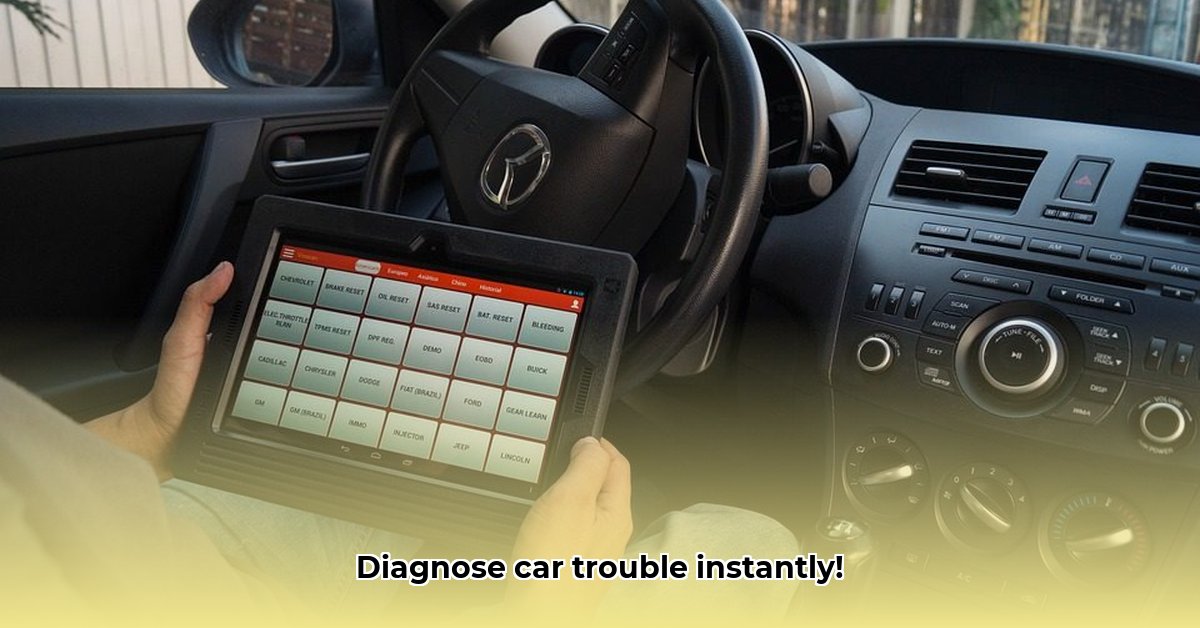
Modern vehicles are sophisticated machines, and diagnosing issues can feel like deciphering a complex code. This is where the On-Board Diagnostics II (OBD-II) system comes into play—your car's built-in diagnostic computer. This system constantly monitors various vehicle components. When a problem is detected, a Diagnostic Trouble Code (DTC) is stored. These codes, often a combination of letters and numbers (like P0171 or U0100), provide clues about what's wrong. An OBD-II scan tool, readily available at Advance Auto Parts, acts as a translator, revealing these hidden messages. Did you know that over 70% of check engine light issues can be diagnosed with a basic OBD-II scan?
Choosing the Right OBD Scan Tool from Advance Auto
Advance Auto Parts offers a range of OBD-II scan tools to suit different needs and budgets. Choosing the right one depends on your technical skills and the depth of diagnostics required. Here’s a helpful guide:
| Scanner Type | Features | Price Range | Best For |
|---|---|---|---|
| Basic Code Reader | Reads and clears DTCs. Simple and easy to use. | \$20 - \$50 | Beginners, occasional DIY repairs, quick code checks |
| Intermediate Scanner | Reads and clears DTCs, displays live sensor data. | \$50 - \$150 | Enthusiasts, regular DIY repairs, more in-depth diagnostics |
| Professional Scanner | Reads and clears DTCs, shows live data streams, advanced analysis capabilities. | \$150+ | Professionals, complex repairs, extensive diagnostics |
Beyond the basics, consider:
- Ease of use: How intuitive is the interface?
- Display clarity: Can you easily read the codes, even in bright sunlight?
- Vehicle compatibility: Ensure compatibility with your car's make, model, and year.
Performing an OBD Scan: A Step-by-Step Guide
Performing an OBD scan is easy:
- Locate the OBD-II port: Typically under the dashboard (consult your owner's manual).
- Connect the scanner: Firmly plug the scanner into the port.
- Turn the ignition on: Turn the key to the "ON" position (engine off).
- Follow scanner instructions: Each scanner has a slightly different process for retrieving DTCs.
- Record the codes: Note down the codes for later interpretation.
Interpreting OBD Scan Results: Understanding the Codes
OBD-II codes are categorized:
- P-codes: Powertrain (engine, transmission).
- U-codes: Network communication between systems.
- B-codes: Body control module (lights, locks, etc.).
Use a reliable online OBD-II code lookup tool or your vehicle's repair manual to understand the meaning of each code. Remember that a code indicates a potential problem; further investigation may be needed.
Troubleshooting Common Issues: Practical Examples
Let's say you have a P0171 code (lean fuel condition). This might indicate a vacuum leak, faulty oxygen sensor, or fuel injector issue. However, this is just a starting point. Professional help may be necessary for accurate diagnosis and repair. Is it cost-effective to tackle this yourself, or should you seek professional help? That's a decision based on your skills and resources.
Advance Auto's Resources and Support
Advance Auto Parts often offers supplemental resources, including online guides and training videos. Leverage these to maximize your OBD tool's potential. Many online forums and communities also offer support and troubleshooting advice.
Conclusion: Empowering DIY Car Maintenance
An Advance Auto OBD-II scan tool provides the means for early problem detection and empowers both DIY enthusiasts and professional mechanics. While professional assistance is crucial for complex issues, understanding your car's diagnostic codes offers a significant advantage in vehicle maintenance. This approach, combined with readily available online resources, makes car care more accessible than ever before.
⭐⭐⭐⭐☆ (4.8)
Download via Link 1
Download via Link 2
Last updated: Thursday, June 05, 2025